Ningún lugar está lejos presenta objetos que otros cubanos llevaron consigo al salir de Cuba y que, en conjunto, ofrecen un mapa de nuestro desarraigo. Más que en la intimidad, la fotografía de Evelyn Sosa se centra en la transición. De lo general a lo particular, de lo íntimo a lo público, de la pérdida a la memoria, de la presencia a la despedida, de Cuba al exilio, del hombre a la mujer.
La forma en que Evelyn Sosa practica la fotografía es liminal: primero intuye y luego conceptualiza. Los objetos, la manera en que han sido retratados y lo que representan —fragmentos de vida llevados consigo para no olvidar o para poder regresar—.
La artista ha fotografiado a personas que han sido forzadas al exilio y a quienes no se les permite regresar a Cuba; a personas que no regresan por miedo; y a otras que deben regresar por cualquier motivo y lo hacen con temor. Cada persona que aparece en este libro vive el exilio de manera distinta: para algunos es una condición terminal; para otros, ha sido la libertad.
“He fotografiado a personas que tienen que regresar por el motivo que sea, y regresan con terror.”
He fotografiado a personas que han sido forzadas al exilio y que no se les permite regresar a Cuba. He fotografiado a personas que no regresan por miedo. He fotografiado a personas que tienen que regresar por el motivo que sea, y regresan con terror. Cada uno padece el exilio de manera diferente, para algunos es una condición terminal y para otros ha sido la libertad. La diáspora es inmensa y cada cual encuentra el éxito de diferentes maneras, o el fracaso.
Evelyn Sosa
El nombre de la serie remite a un lugar que ha sido exaltado a ningún lugar. Es decir, la representación del lugar (de donde viene el objeto y la persona retratada) simboliza tanto, que se reduce a ninguno, pero esa reducción solo lo exalta. Evelyn Sosa explora lo sagrado en una metáfora extendida que se repite en espiral dentro del túnel. Ya no es el túnel de Juan Carlos Flores, sino su propio ningún lugar. Ese lugar detenido del que habla cuando declara que está buscando otra cosa, y a la vez sus fotos indican que no está buscando un lugar. Evelyn Sosa está buscando la gloria y su mente la imagina. Tiene razones que son objetos. Al acercar el objeto, lo emancipa, y el lugar se aleja más.
Legna Rodríguez Iglesias
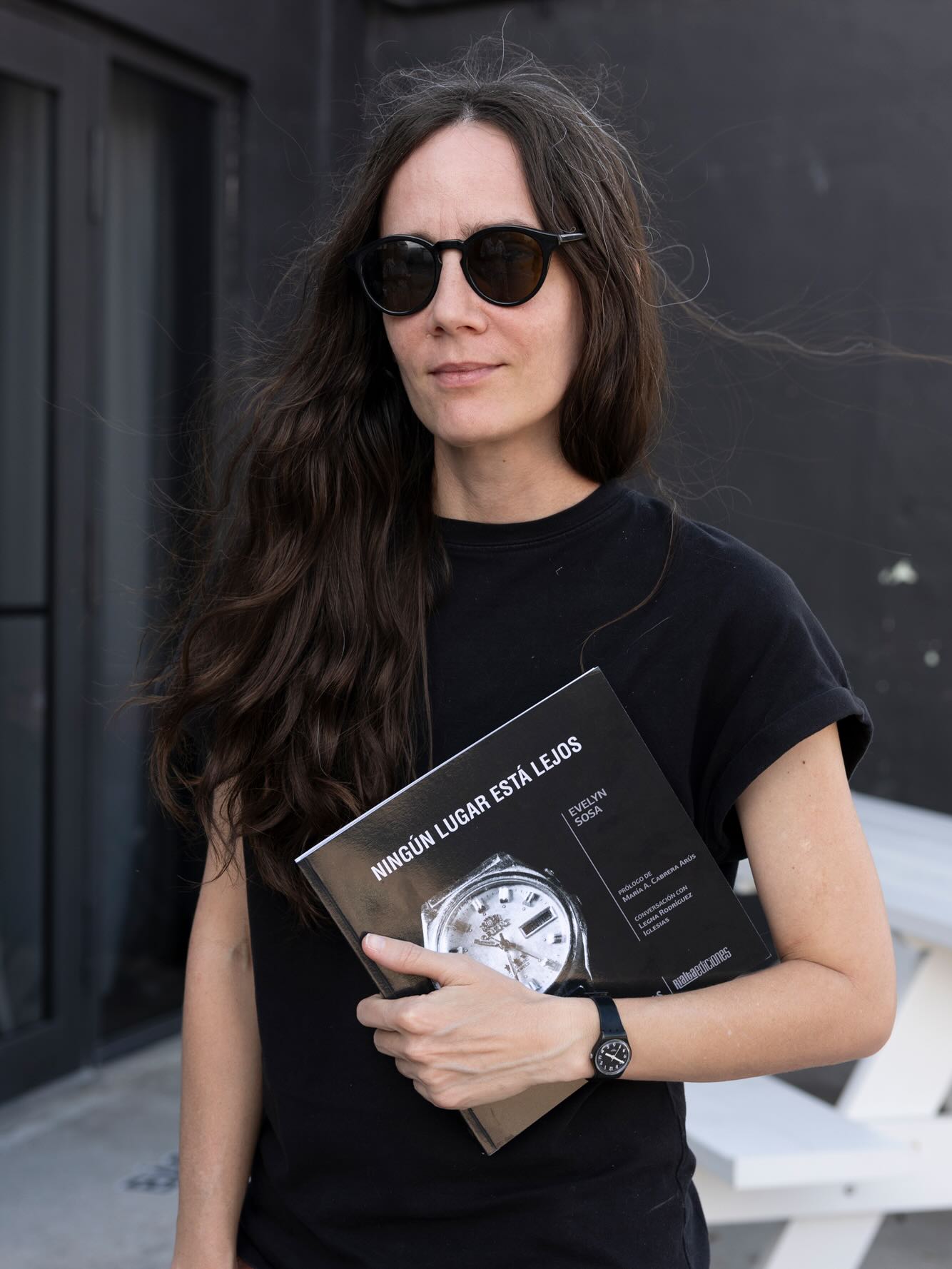
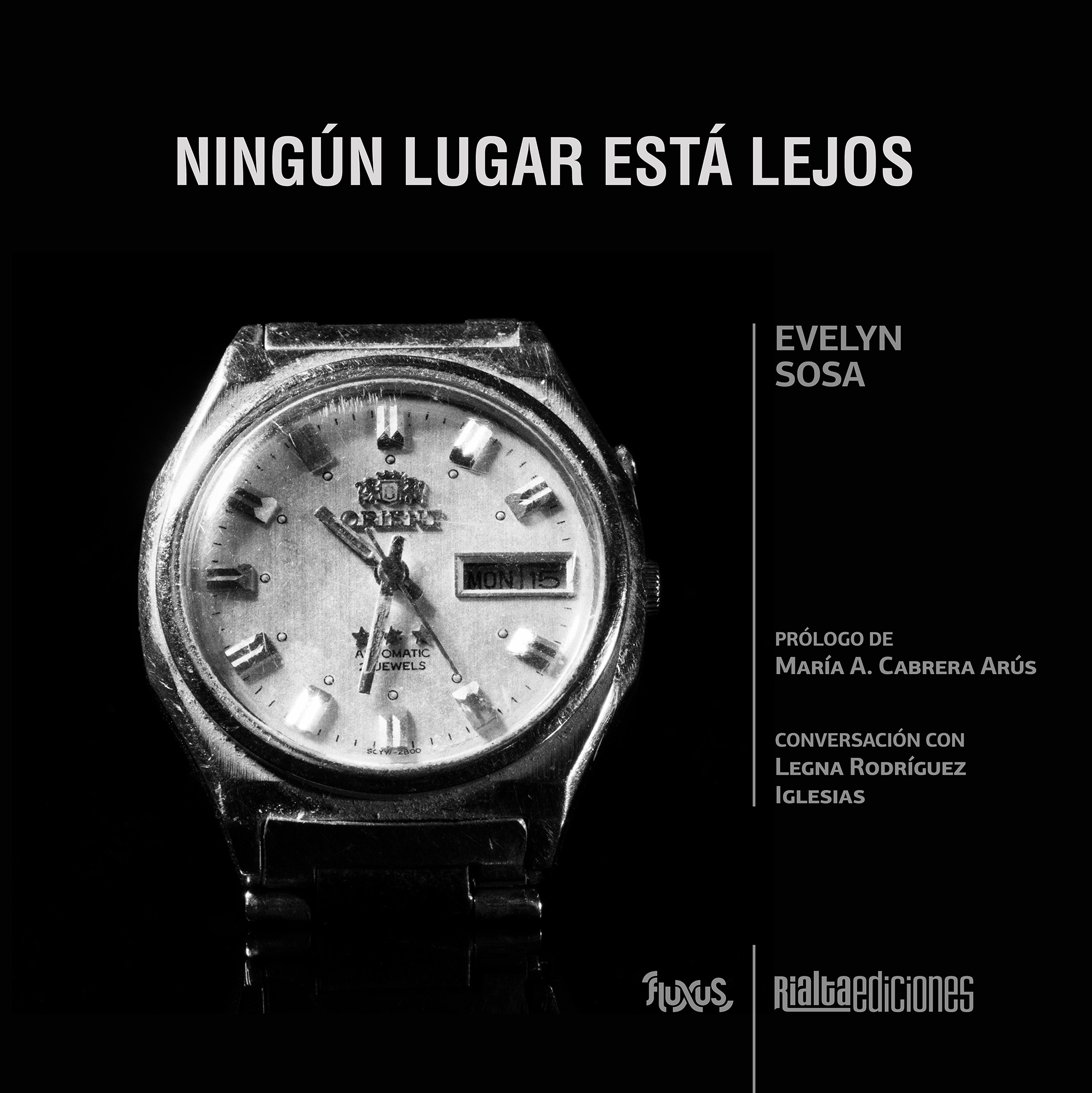
Ningun lugar esta lejos presents objects that other Cubans took with them when they left Cuba and which, taken together, offer a map of our uprooting. More than intimacy, Evelyn Sosa’s photography focuses on transition. From the general to the particular, from the intimate to the public, from loss to memory, from presence to farewell, from Cuba to exile, from man to woman.
The way Evelyn Sosa practices photography is liminal. She first intuits and then conceptualizes. The objects, the way they have been portrayed, and what they represent—pieces of life brought along so as not to forget or to return.
The artist has photographed people who have been forced into exile and are not allowed to return to Cuba; people who do not return out of fear; and others who must return for whatever reason, and do so with dread. Each person featured in this book experiences exile differently: for some, it is a terminal condition; for others, it has been freedom.
“I have photographed people who must return for whatever reason, and who return in terror.”
I have photographed people who have been forced into exile and who are not allowed to return to Cuba. I have photographed people who do not return out of fear. I have photographed people who must return for whatever reason, and who return in terror. Each person experiences exile differently: for some it is a terminal condition, and for others it has been freedom. The diaspora is immense, and each individual encounters success in different ways—or failure.
Evelyn Sosa
The title of the series refers to a place that has been elevated into no place. In other words, the representation of place (where the object and the person portrayed come from) symbolizes so much that it collapses into nothingness—yet that very reduction only exalts it further. Evelyn Sosa explores the sacred through an extended metaphor that spirals within the tunnel. It is no longer the tunnel of Juan Carlos Flores, but her own no-place. That suspended place she speaks of when she declares she is searching for something else, while at the same time her photographs suggest she is not searching for a place at all. Evelyn Sosa is searching for glory, and her mind imagines it. She has reasons that are objects. By bringing the object closer, she emancipates it—and the place moves even farther away.
Legna Rodríguez Iglesias