by Patrice Samara
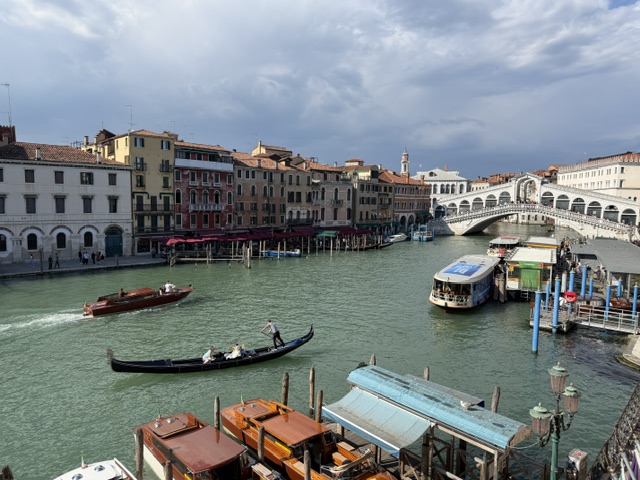
VENICE HAS ALWAYS BEEN A CITY SUSPENDED BETWEEN BEAUTY AND UNCERTAINTY. THIS YEAR, HOWEVER, UNCERTAINTY ARRIVED BEFORE MANY VISITORS EVEN STEPPED THROUGH THE GATES OF THE GIARDINI."
The opening weeks of the 61st Venice Biennale (Biennale Arte), entitled In Minor Keys is running from May 9 to November 22, 2026, with 110 participating invited participants curated by Koyo Kouoh, were overshadowed by an unprecedented controversy: the resignation of the entire international jury. What began as a dispute surrounding the participation of certain national pavilions rapidly evolved into a larger debate about artistic freedom, geopolitics, institutional responsibility, and the role of cultural diplomacy. The jury announced it would not award prizes to artists representing nations whose leaders face charges before the International Criminal Court. Following fierce criticism, political pressure, and legal challenges, all five jurors resigned, leaving the Biennale without its traditional arbiters of artistic excellence and forcing organizers to postpone and rethink the awards process.
For many observers, the question was no longer who would win the Golden Lion. Instead, it became whether the Biennale itself could remain a meaningful space for dialogue amid increasingly polarized global realities.
Yet Venice has always thrived on contradiction.
Walking through Venice this year, one could feel both the tension of contemporary politics and the resilience of artistic imagination. The national presentations remain among the Biennale’s greatest strengths. Conversations inevitably centered on the controversial issues, but visitors also found themselves drawn to powerful presentations from Australia, the Nordic countries, Germany, South Korea, and numerous emerging nations whose artists explored migration, identity, climate change, memory, and cultural survival. Across the city, artists continued to remind us that creative expression often succeeds where political rhetoric fails.
Perhaps this is Venice’s greatest lesson: art does not exist outside politics, but neither can it be reduced to politics.
Away from the headlines and the protests, another Venice flourished.
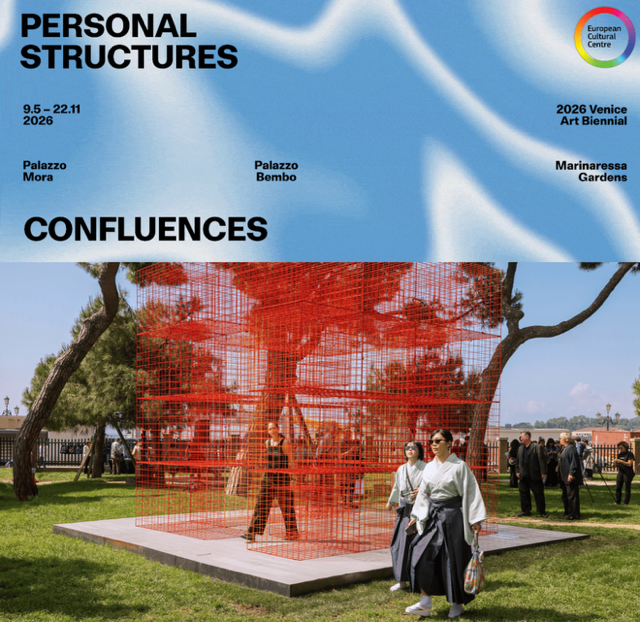
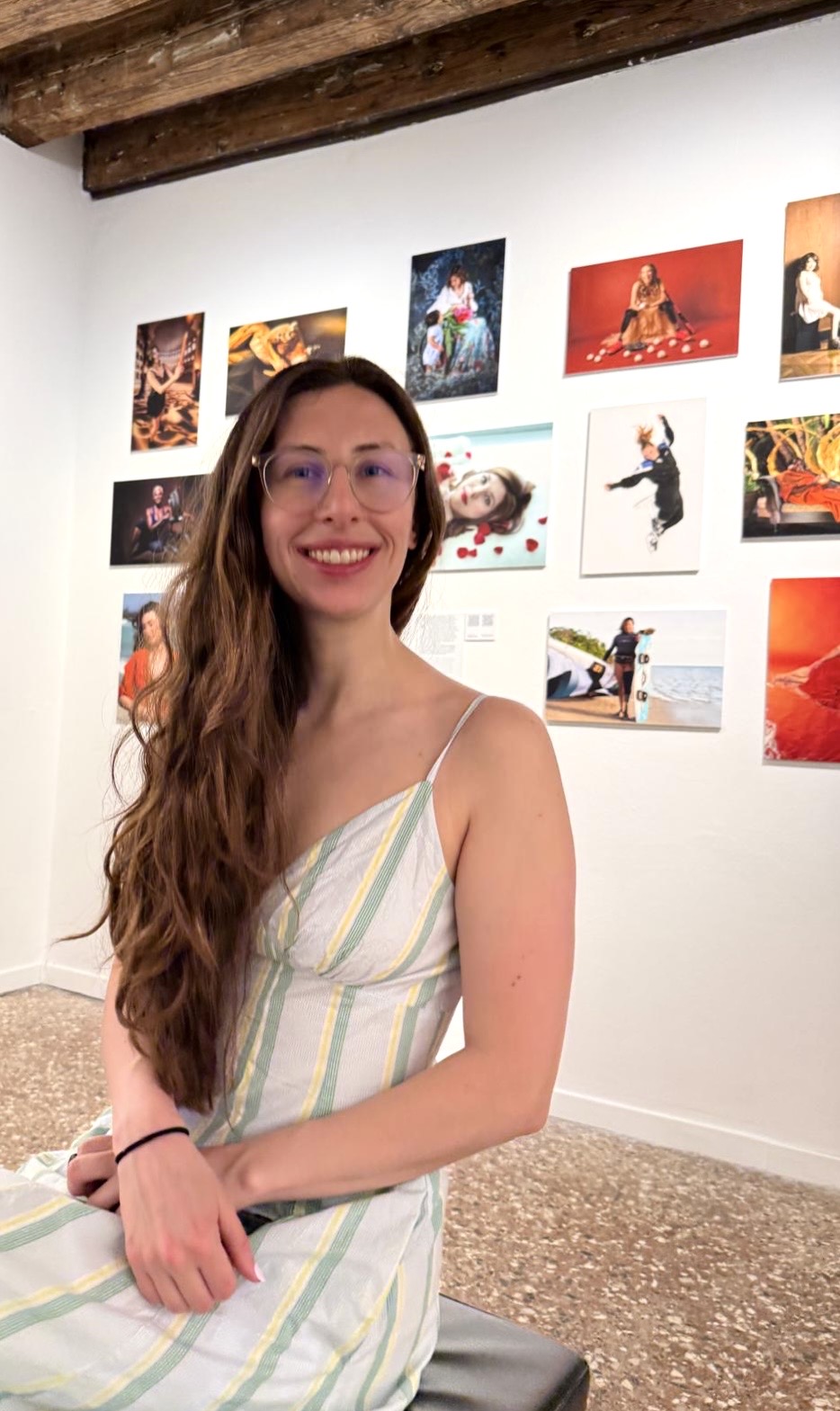
At the European Cultural Centre (ECC), where I had the privilege of serving as curator of the Bold Beauty Project Exhibition (BBP), visitors encountered a different but equally urgent conversation. The ECC’s Personal Structures—Confluences Exhibition once again transformed Palazzo Bembo, Palazzo Mora, and the Giardini della Marinaressa into a global forum for art, culture, and innovation.
The ECC Italy was pleased to host a significant project at Palazzo Mora within the framework of the 61st International Art Exhibition La Biennale di Venezia. The El Salvador National Pavilion, Cartographies of the Displaced by J. Oscar Molina graced the courtyard.
The scale of Personal Structures was impressive, with more than 150 artists and multidisciplinary creatives from 40 countries. What resonated most deeply was its emphasis on the confluence of how our collective imagination challenged visitors on the immediacy of the works and social transformation.
Within this dynamic cultural landscape, the Bold Beauty Project offered another form of regeneration of concepts and social norms.
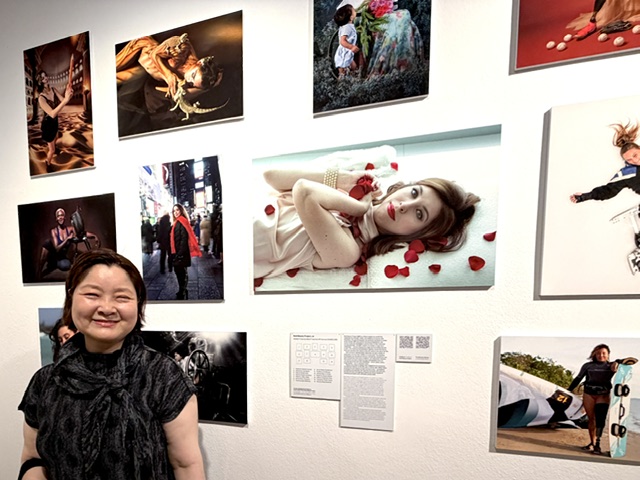
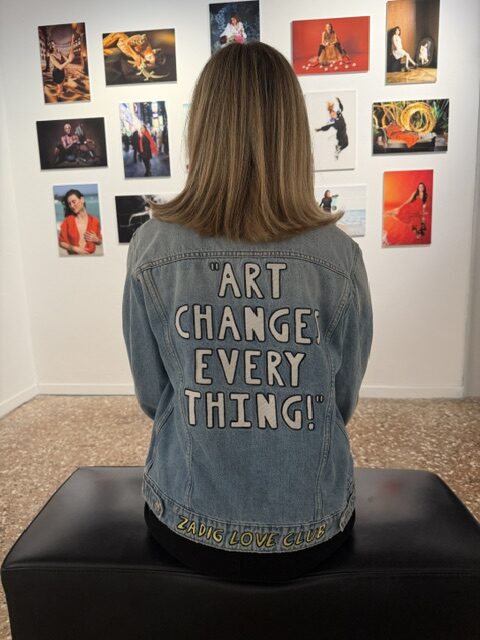
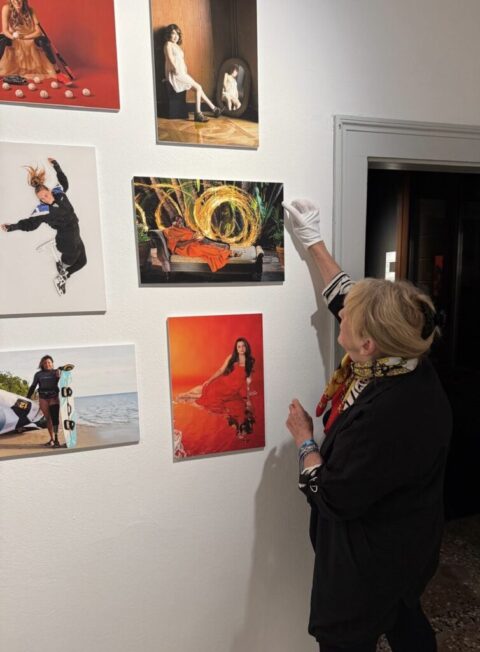
The BBP exhibition celebrated women whose lives challenge conventional definitions of beauty, ability, and representation. In a Biennale season often consumed by questions of national identity and political conflict, Bold Beauty returned attention to the human body itself—the site where inclusion, dignity, visibility, and empowerment intersect. Visitors responded with remarkable openness. Many arrived expecting just to see interesting photos; they left having engaged in a broader conversation about disability, resilience, and the evolving language of beauty.
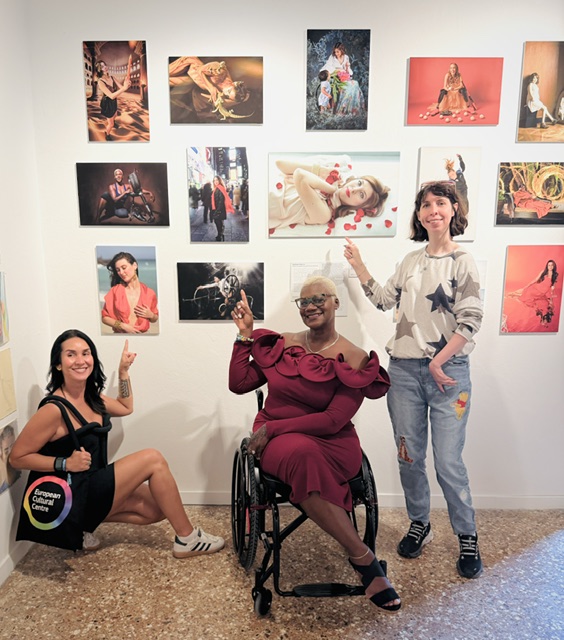
The Bold Beauty Project’s photographic works included Cynthia by Ali Miranda, Erin by Donn Thompson, Evgenia by Ignacio Irazoqui, Frances by Femke Twari, Gabriela by Lisa Nalven, Johnnie Mae by Al Diaz, Joy by Robert Zuckerman, Letitia by Alexandra Vivas, Ronit by Susana Aramburu, Rosa by Natalie Sofer, Shelly by Jeffery Salter, Sofia by Raquel Oliveira, Teresa by Kelly Mahoney, and Ylena by Maria Socarras.
During the opening at the stately Palazzo Mora, BBP Co-founder/Co-director, Dr. Eva Ritvo stated, “It was the dedication of the BBP models and photographers plus the generosity of our sponsors that enabled us to exhibit at the palazzo. The presence of the BBP team in Venice significantly enhanced viewer engagement.”
What became evident is that representation remains one of the most powerful forms of cultural change. The images were not asking for sympathy. They were demanding recognition. The photographs, coupled with the women’s personal narratives, created a vivid and dynamic portrait of women with disabilities reimagining strength, perseverance, and beauty in our world.
DISABILITY becomes BEAUTY becomes ART becomes CHANGE
As I moved between the palazzi, canals, and exhibition spaces, I was reminded that Venice Biennale remains unlike any other cultural gathering in the world. It is simultaneously an exhibition, a marketplace of ideas, a diplomatic arena, and a laboratory for the future.
This year’s Biennale may ultimately be remembered for controversy. Historians will undoubtedly record the resignation of the jury, the debates surrounding national participation, and the challenges facing cultural institutions in an increasingly fractured world. (As of this , writing, prizes will be awarded through a popular public vote rather than by a expert jury.)
But as a curator, I will remember something else.
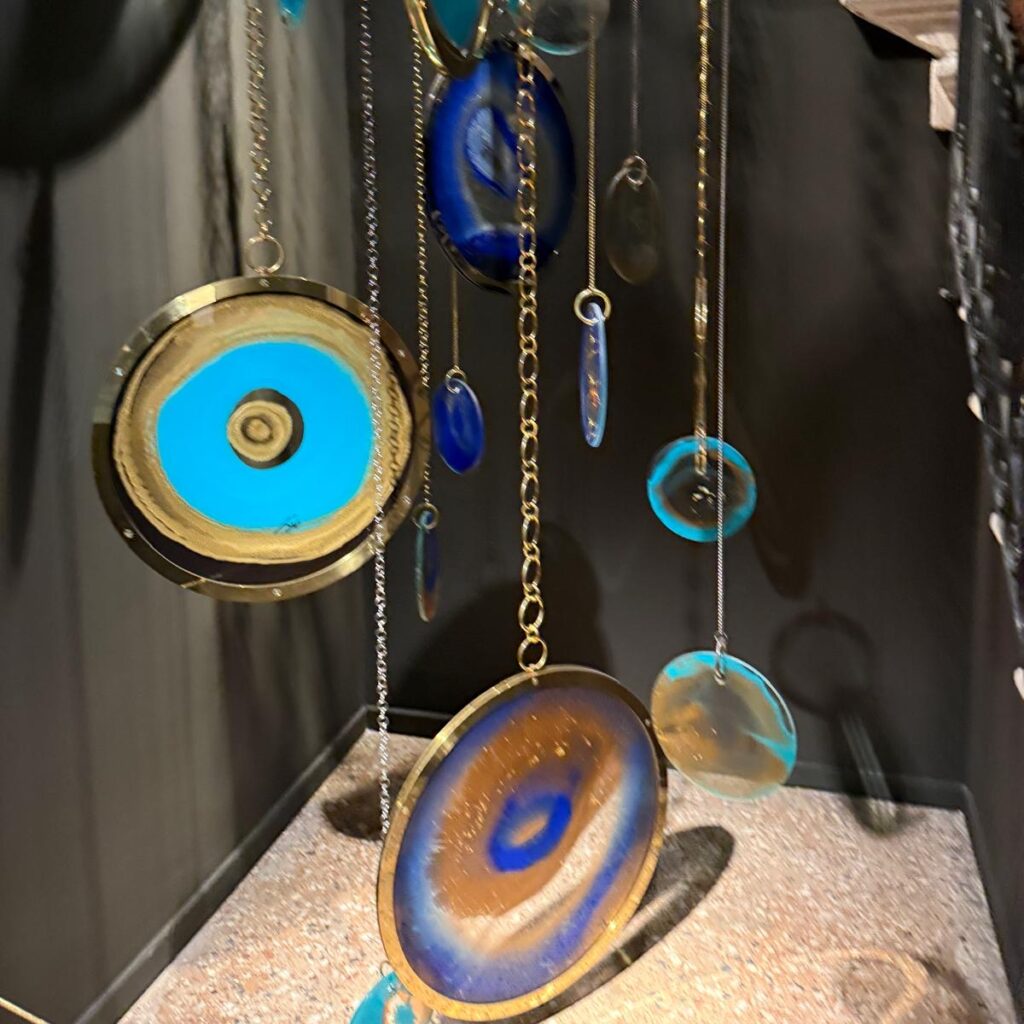
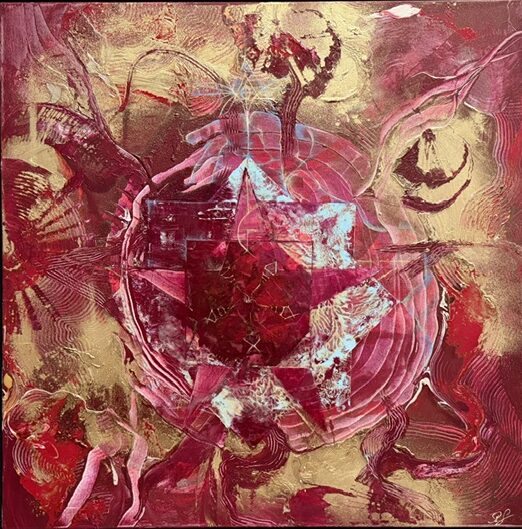
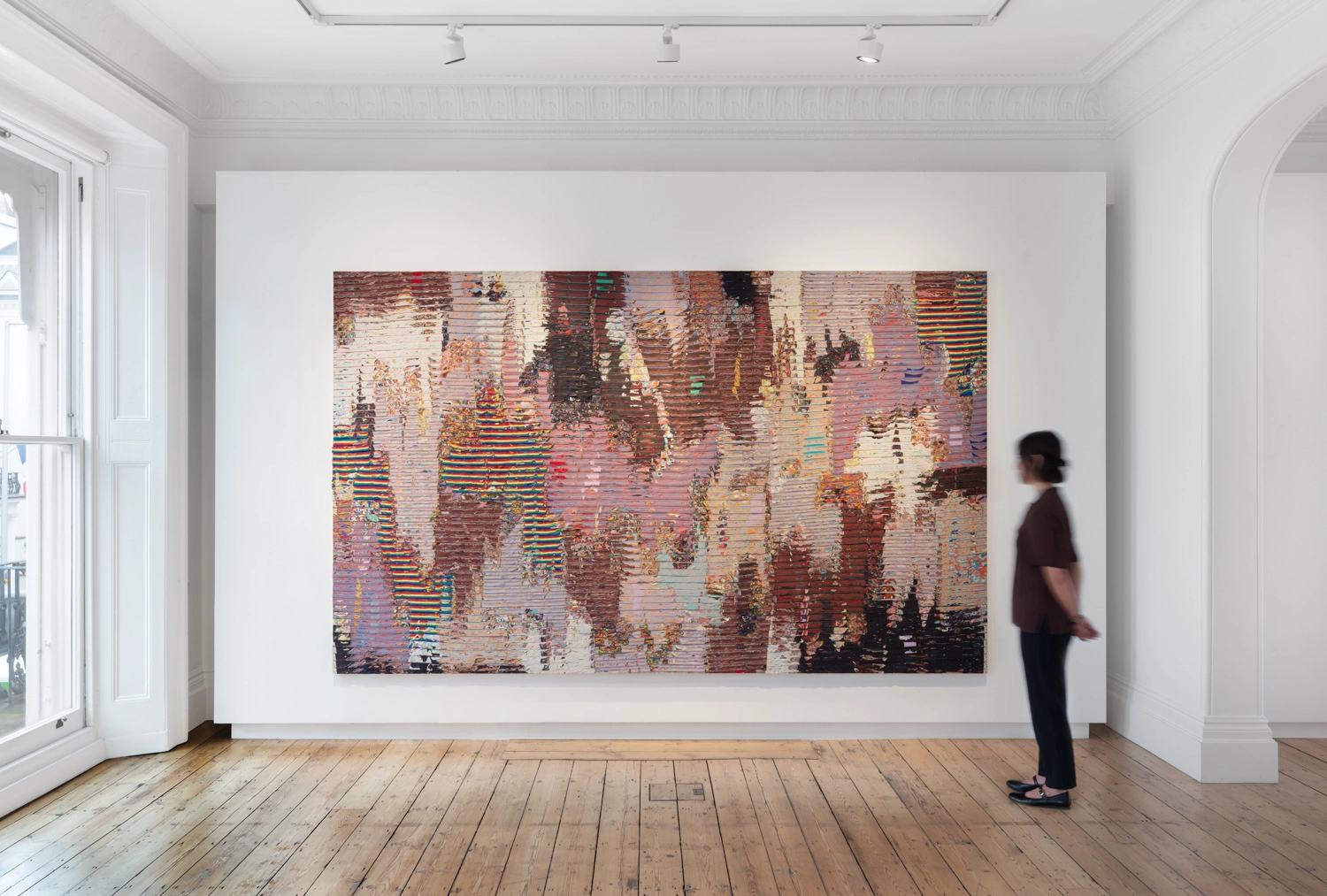
The deep involvement of the ECC staff and art handlers left a lasting impression of caring and excellence. The magnificent capstone Personal Structures—Confluences Catalogue of over 535 pages, compiled with expert preciseness—like the exhibitions themselves— demonstrated the intentional power of the work. It will remain on my library as living proof of Bold Beauty Project’s involvement and so many other extraordinary artists. Particular standouts at Palazzo Mora, Yorgos Papadapoulos (Cyprus), an artist representing the fusion of experimental craftmanship with the contemporary medium of architectural glass, and painter María Agnés Aguirre (MIA) (UK), The Music of Color, whose work becomes a remembrance that touches and moves the fibers of being. The camaraderie par excellence with Rita Sabo (Austria), Unison. The Fusion of High Cultures, at Palazzo Bembo fused both excitement and introspection.
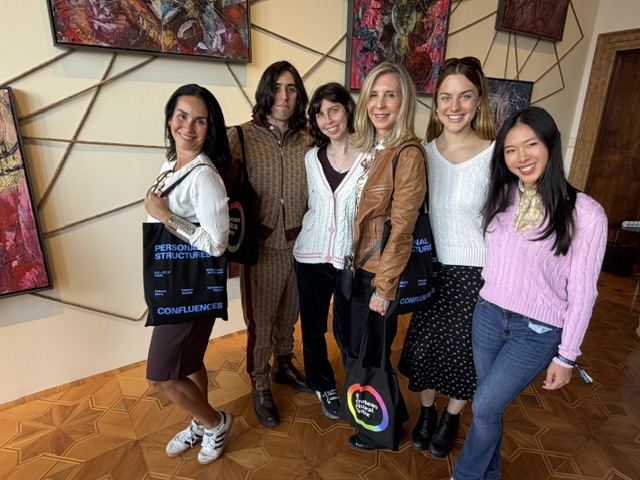
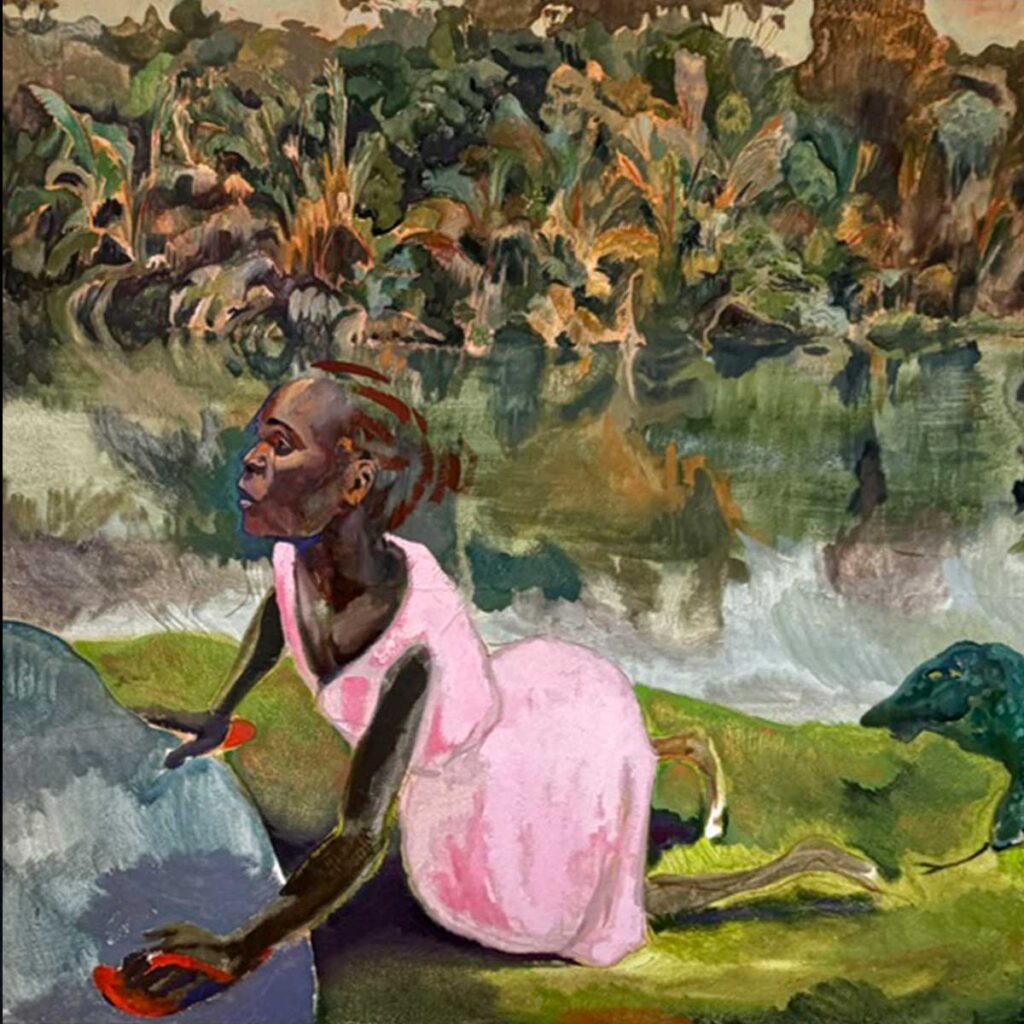
I will remember the conversations happening after viewers encountered a work of art that changed their assumptions. I will remember designers imagining the future, artists confronting difficult truths, and audiences willing to engage across differences: The Still Joy—from Ukraine into the World exhibition at Palazzo Contarini Polignac, the Palazzo Pisani Santa Marina’s Ethnography of the Body and Material Exhibition (Japan) and artist Su Xiaobai ‘s Alchemical Universe (China) at Palazzo Soranzo Van Axel transforming the ancient medium of lacquer into massive sculptural works. Michael Armitage’s, The Promise of Change, at Palazzo Grazzi validates he one of the most original voices in contemporary painting.
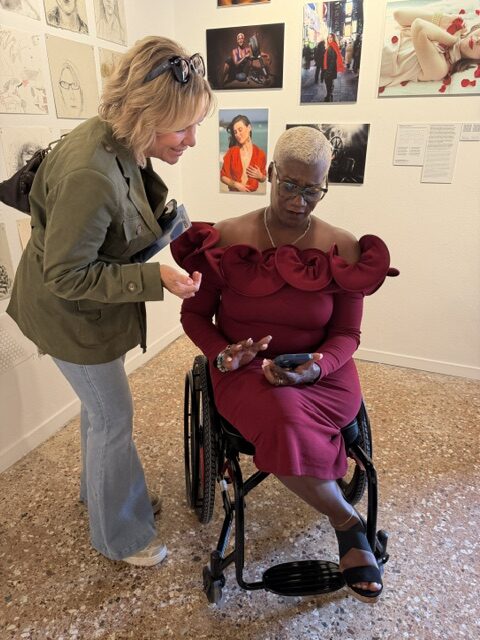
Long after the controversies fade, those encounters will remain. The Bold Beauty Project Exhibition made an indelible impression on many. Photographers were visibly moved and interest for future BBP global exhibitions with photographer Beth Caporaletti (Italy), and in the Far East with Derek Flores/DF Art Agency (The Philippines) and Curator Gimo Yi (South Korea), were nascent yet solid. My dialogue with a Chinese artist Solan Chui was captivating, even though neither of us spoke the same language. A handy translation app allowed our conversation about the photographs and the accompanying narratives to flow emotionally and deeply.
These encounters, ultimately, were Venice’s true prize.
You may also like
Layered Codes: The Material Language of Loriel Beltrán
For Loriel Beltrán, painting is as much a constructed object as it is an image—a built form whose